Myth Busted: Is Dropshipping Dead?

is dropshipping dead

Is dropshipping dead? Does dropshipping work? Is dropshipping worth it? The answers to these questions are obvious – still, for some reason, they continue to bug thousands of people all over the globe.

When you are standing at the doorstep of your first dropshipping journey ever, most likely, you don’t know much about this type of business and its prospects.

This is why you go online in hopes to see dropshipping explanation for beginners, or a checklist of must-have things at the beginning, or the advantages of the dropshipping business model, or the opportunities for your future growth, or something like this, encouraging and helpful.

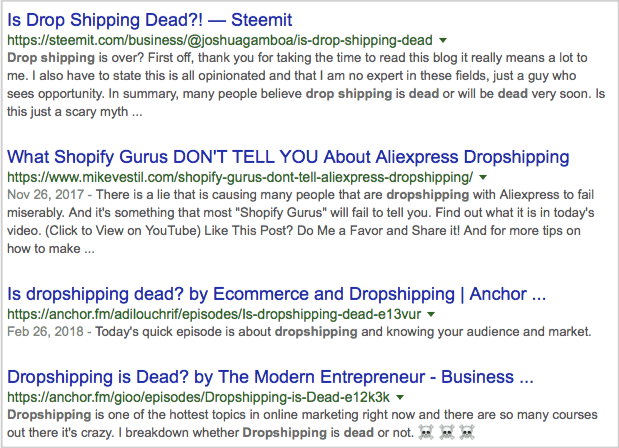
Instead, on your search results page, you see some terrifying things:
is dropshipping dead

Lol.

Sitting in one of the spacious downtown offices generously rented by our CEOs, and surfing the Web on my shiny Mac beside 50+ colleagues who develop, test and improve this business-related solutions, I personally giggle at all the hysteric Internet posts that pronounce dropshipping dead and claim it has no future.

And you know what? I strongly advise you to do the same and not to take any of these statements seriously.

Dropshipping will outlive us all, and here is why.

Why the answer to the ‘Is dropshipping dead?’ question is NO

Surely, there’s nothing funny about actual people’s worries and concerns: it’s natural to be anxious about the things you don’t fully understand or know yet.

People go online to learn more about the business they’re planning to launch, and obviously, they look for the advice of more experienced entrepreneurs.

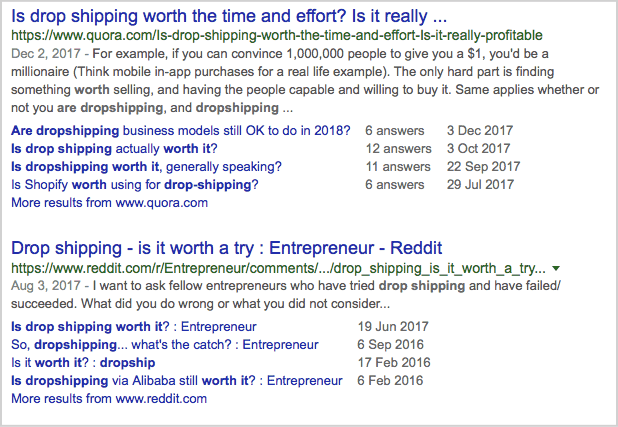
This is why Quora and Reddit, the forums aimed on solving the most pressing everyday issues, are filled with questions like these:
is dropshipping dead

There is absolutely nothing wrong about these questions: they simply show that dropshippers-to-be are genuinely interested in the financial prospects of this business, and (unfortunately) lack information on the topic.

The sad part, however, is that yellow press takes advantage of this public interest and speculates on it in the most misleading way possible.

So, let’s go through the most common arguments these ‘experts’ use while talking about the future of dropshipping.

‘Dropshipping is dead because its hype years are gone’

Oh, I beg your pardon.

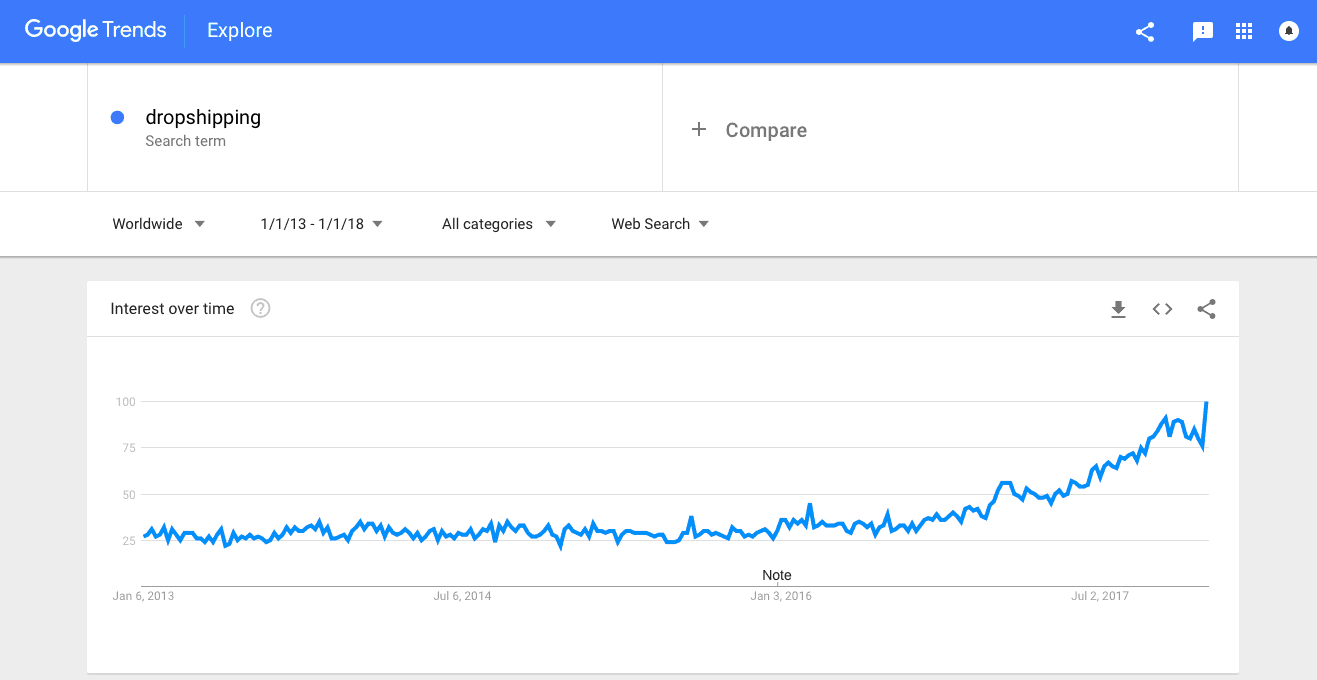
Here’s a Google Trends graph showing the frequency of searching for the ‘dropshipping’ term in the last 5 years.
is dropshipping dead

Can anyone seriously insist that the ‘golden era’ of dropshipping has already ended?

Is it even logical and sensible to say that ‘dropshipping was hot in 2010s, but it’s all over now’?

This graph clearly demonstrates that the number of business persons interested in dropshipping model is growing steadily no matter what – no political turmoils, wars, economic crises, etc. can stop people from pursuing their dream.

Plus, a considerable surge in public interest towards dropshipping has started less than a couple of years ago – it lets us assume that this whole business scheme is currently on its early growth stage, and the best is yet to come.

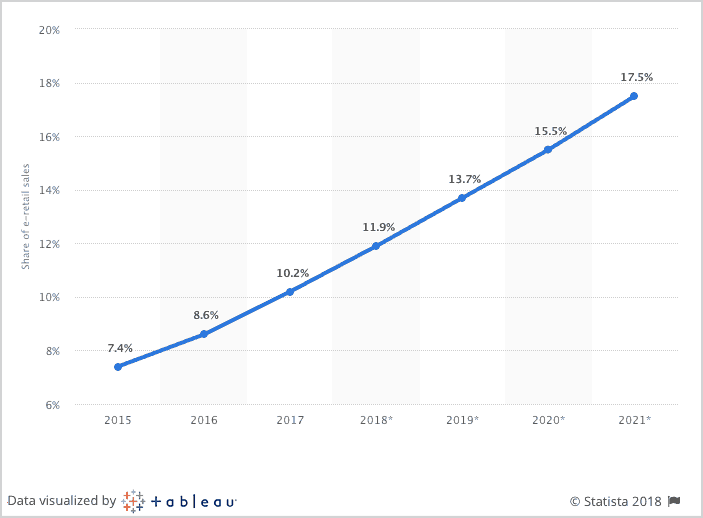
These assumptions are proven statistically: just take a look at this graph, and you’ll see that in 2017, the whole e-commerce industry accounted for only 10.1% of all retail sales worldwide.
is dropshipping dead

It’s only 10%! And for drop shipping business in particular, the number is even lower because clearly, not all of the e-commerce transactions can be classified as dropshipping-related actions (and we will talk about it further).

To sum up, drop shipping business has an incredible room for growth: on global scale, its operations now account for a small yet promising percentage of all the acts of purchase and sale.

This, in turn, leads to the following speculation…

‘Dropshipping is dead because of extreme competition’

is dropshipping dead

This is quite a common business fear: if something gets insanely popular in a short time period, all the related spheres instantly get overly saturated with entrepreneurs making profit from it.

In other words, the more demanded something becomes, the more intense the competition gets – so, if you’re not already in, you won’t have a chance to succeed.

Sounds slightly reasonable, but let’s take a quick look at the industry statistics.

As Statista researchers report, only in the United States, there will be 230.5 million digital shoppers by 2021.

Can you imagine the number of enterprises that is necessary to satisfy the needs of all these shoppers?

And don’t forget: it’s only the data for the United States! Take a look at other geographic markets, and you’ll see that it’s early impossible to create an ‘excessive’ online store – with due marketing efforts, there will be enough buyers for everyone. Southeast Asia’s Internet economy for example, is predicted to reach the $50 billion mark in 2018, and for 2025, the number is estimated to be around $200 billion.

So, it’s possible for a dropshipping store owner to successfully target any geographic market and reap the rewards of the business flexibility: its specific mechanism makes it easy for everyone to dropship from any country on the globe.

Still, the availability and affordability of launching a self-owned dropshipping store leads to the mass creation of the following myth…

‘Dropshipping is dead because you can make no money of it’

is dropshipping dead

This is my favourite part.

Dropshipping opponents dare to say that a business which is so quick to start and so easy to run can’t bring the owner any considerable returns.

To clear these doubts and get a full picture of what’s happening, again, let’s consider the global e-commerce trend.

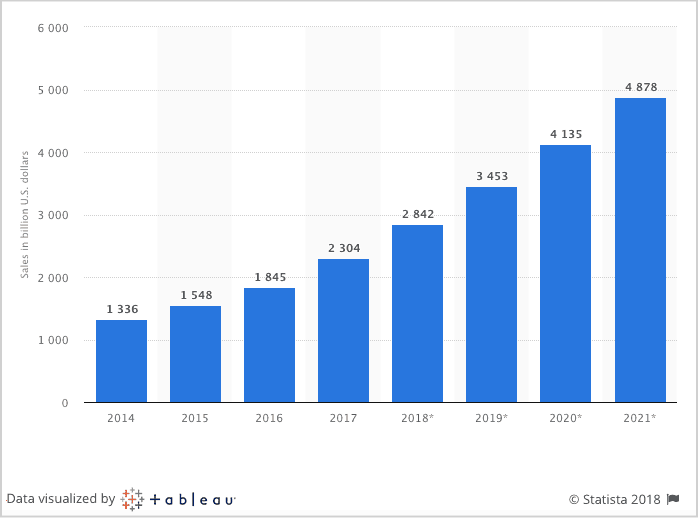
Judging by the Statista data, the expected volume of retail e-commerce sales in 2018 is due to be around $2,774 billion.
is dropshipping dead

At the same time Lehigh, one of the leading research universities in the USA, figures it out that dropshipping sales and purchases constitute 25-30% of all the e-commerce transactions.

It lets us roughly estimate that by 2021, the volume of global dropshipping sales in 2021 will exceed $1,500 billion.

Isn’t this number impressive enough?

Doesn’t it showcase a thrilling opportunity to get a fair share of this jaw-dropping amount of money?

Surely, you might say – ‘nah, it’s all about large-scale businesses, it has nothing to do with me, a mere mortal”.

But how, in your opinion, have all these multibillion-dollar empires started?

The incredibly inspiring example of Zappos shows that it only takes a first step to embark on this breathtaking journey.

Zappos, in the same manner as Amazon, has started from humble beginnings – but look what both of them managed to achieve in the course of time.

Each and every person proudly sharing their first dropshipping achievements, whether it be $600 revenue in the first two months or $3,000+ in sales daily, has the chance to build a mind-blowing e-commerce venture – and you can do the same, too.

On a $1,500 billion market, there’s a place for everyone!

Maybe, the next dropshipping success story will be written by you?…

This image has an empty alt attribute; its file name is shopify-banner2-1.jpg

‘It’s The Same Old Importing From China’: 7 Dropshipping Stereotypes

Is Dropshipping The Same AS Importing From China?

Dropshipping is a relatively young business model, which is why not everyone is well-informed about its benefits yet. Quite remarkably, some of the newcomers even think that this venture is identical to traditional importing from China! So, in order to fulfill our educational mission, we will investigate the most common dropshipping stereotypes – and help YOU change your life to the better thanks to this incredible venture.

Okay, here’s the axiom: if you have a low opinion of dropshipping, you don’t know much about dropshipping.

Yes, this is one hundred percent true.

The better you understand the mechanics and the distinctive features of this business, the more excited you get about the benefits of this awesome type of ecommerce enterprise.

Shall we begin uncovering the truth about this business model?

Myth #1 Dropshipping is an ordinary importing from China, but with a fancy name

Some people think that the whole existence of dropshipping is just a ‘marketing’ trick. In their opinion, it’s like using a ‘cleaning service manager’ job title instead of a simple ‘janitor’ word: the smarter the term, the easier it is to deceive the unsuspecting public, right?…

In reality, dropshipping is strikingly different from the traditional scheme of buying Chinese items upfront and reselling them for a higher price. Watch this video to see the differences:

Summing it up, if you are dropshipping, you:

  • Buy no items

You don’t spend a single cent on buying any products from your suppliers, and you don’t deal with things like customs clearance, customs tax payment, etc. So, you can basically start this business at any point of your life: your start-up expenses are really low, and you don’t need extra savings. Besides, you don’t have any risks of going bankrupt even if you accidentally choose wrong items to show in your dropshipping store. As you haven’t really bought these undemanded items, you have no headache over getting your money back – and you can easily change the product offer in your store with no financial or reputational losses.

  • Keep no physical stock

Since you’re not buying any items, you’re not having any troubles with keeping them safe and secure. This means, there is no need for you to rent a warehouse, or to hire staff to keep an eye on the stock. So, your product-related costs amount to zero!

  • Arrange no shippings

If your client buys an item that you physically possess, you have to deliver it to the buyer. But, if your customer purchases a product through your dropshipping store, you have absolutely nothing to worry about: the product is located at the original supplier’s place. So, all you need to do is transfer the order details and the buyer’s address to the supplier: all the rest is beyond your responsibility.

As you can see, even though this business model means that (roughly speaking) you’re selling Chinese-made items to your buyers, it is quite far from the traditional direct import from the original supplier. You’ve noticed how huge your financial savings are, right?

Myth #2 Even if you’re dropshipping instead of importing from China directly, you still deal with locally manufactured low quality products

Not necessarily.

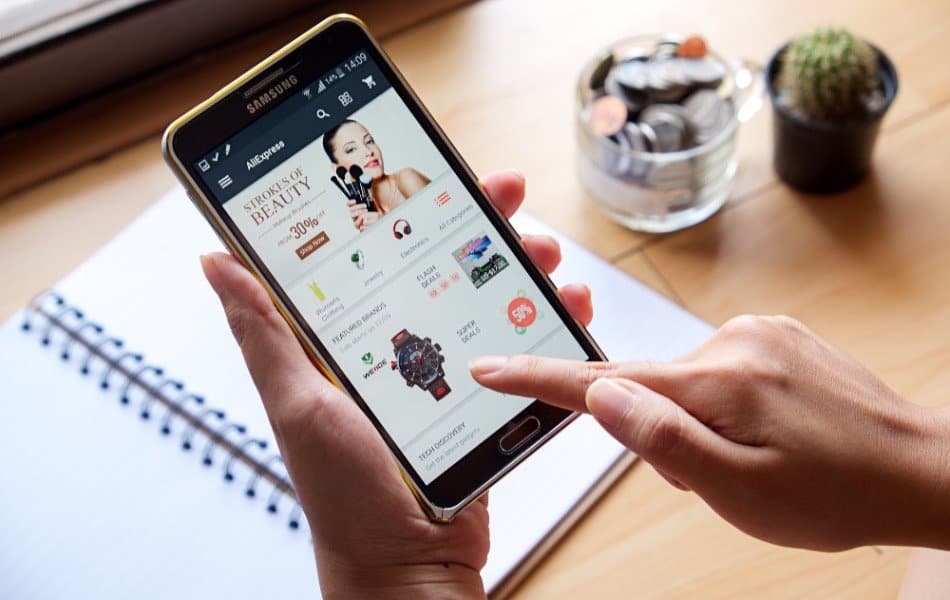
I mean, yes, the most convenient place to source your dropshipping products is AliExpress, so technically, you’ll be selling Chinese items in your store. But, who says they will definitely have a poor quality?…

Thanks to our own broad experience in dropshipping, we have learned the most efficient ways to modify AliExpress search bar settings while sorting out the goods on offer. Besides, we have mastered the skill of analysing the product prospects, and shared the gained knowledge in a super extensive manual on choosing the best AliExpress items for your business. Following these simple recommendations, you will stay away from shady sellers and shabby products, and will only offer carefully handpicked items to your potential customers.

Myth #3 Dropshipping profits are so small and irregular that they aren’t even worth all the effort

That’s probably one of the most popular ‘urban legends’ about dropshipping business. This misconception is based on the following thought: in order to get a sufficient profit from every sale, you need to put a considerable markup on each product price – and it will scare off the potential buyers.

But, this is exactly one of the reasons why we recommend using AliExpress as your product source! As the majority of the items are low-priced, you can safely make them cost more – but even with a good markup, the final price will still be acceptable for your customers.

And speaking of the ‘small’ profit… well, look at Mousslim from France who made $3,500 in his first 45 days of doing dropshipping. Or, make yourself familiar with the experience of Martin from the Netherlands who made over €4,100 in 30 days of running his dropshipping store. Or, get inspired with the feedback of Rahul from Indiawho went from 0 to $12,000 in 5 months of managing this business. Both our success stories blog section and dedicated forum thread are filled with real-life stories of actual people who did their best and succeeded with their dropshipping ventures; what makes you think you can’t do the same?

Myth #4 On the package label, your buyer will see you’re importing from China – and it will ruin your reputation

To me, this is one of the funniest arguments against starting a dropshipping business.

Indeed, let’s assume that your buyer receives the package, examines the wrapping paper carefully, and notices Chinese characters, or a Chinese shipper’s name/address.

Now what?

There’s nothing suspicious about it, given that an impressive number of warehouses and manufacturing facilities of the largest global corporations are physically located in China. Plus, the majority of AliExpress sellers are extremely kind to dropshippers (for both sides, it’s a mutually beneficial partnership), so it’s more than acceptable to contact your seller and ask to remove all the promotional leaflets and other irrelevant materials from the package.

If you want to play safe, you can even write it plain and clear on every product page: “The item is kept in our warehouse in China, which is why its average delivery time is 28-35 days depending on the buyer’s location”. With a phrase like this one, you will basically kill two birds with one stone: read what I’m talking about below.

Myth #5 Long delivery time will make the store visitors abandon their shopping carts

If this particular idea bothers you, think of the following: 95% of actions taken in a dropshipping store are driven by emotions. In fact, the whole success of your venture mostly depends on your ability to create a sense of urgency: an in-store atmosphere that promotes impulse purchases.

This is the main reason why a long delivery time won’t be a major negative factor for your clients: they don’t buy your products because it’s a life-critical necessity. They don’t need these items to be delivered immediately; they just want to own them because these products are cute and lovely! Plus, with a smart tech solution at hand, you can always get in touch with the abandoned cart owners, and persuade them to complete the purchase.

Myth #6 Contrary to usual importing from China, dropshipping requires you to be an IT person

When it comes to automated solutions that make a dropshipper’s life 10 times easier, some people get confused, and start worrying a bit. They assume that it’s strictly necessary to deal with coding, to possess advanced tech skills, and to have a website development background.

In reality, the only obligatory piece of knowledge here is the understanding of dropshipping process itself. To help you out with this, we put all our experience and recommendations in this single monumental guide. Read it carefully, and it will be much easier for you to manage your dropshipping business with a healthy profit.

And, with regard to the tech part, we also have something to offer you: here is the easiest way to get your own independent dropshipping business with no technical efforts whatsoever! The lack of IT skills can never stop you from launching and keeping your own fruitful venture because you can simply order a customised store that is fully ready for operation and is assembled by a professional team of developers and designers. That’s a too hot opportunity to miss!

Myth #7 If you keep promoting dropshipping so hard, everyone will start doing it, the bubble will burst, and the industry will collapse

And why on Earth would that happen, I wonder?

As long as you promote your dropshipping store carefully and update its product range on a regular basis, you will always have enough buyers. For many reasons, your store will seem even more appealing to the clients than AliExpress or Amazon!

Plus, the future of dropshipping industry looks brighter than ever: we have collected and analysed some market-related stats in this article, and I strongly recommend you to read it if you have any doubts over the long-term prospects of dropshipping business.

Did I manage to convince you that plain and boring importing from China stands no chance against dropshipping? It’s the adventure time!

This image has an empty alt attribute; its file name is shopify-banner2-1.jpg

Is Dropshipping Legal?

is dropshipping legal?

Is dropshipping legal, indeed? This question is commonly asked by dropshipping newcomers: they can’t believe that the business model of selling the items you don’t physically own is not a fraud. Let’s find the answer together!

After learning about the dropshipping business model and understanding how exactly it works, many beginners usually open their eyes wide and say – “Gosh! This way of making money is too easy and good to be true. Is that even legal?”

If you are reading this article, I guess you had the same thoughts at some point of your life, and you want to know for sure whether dropshipping is a legal or a lawbreaking activity.

In this article, I will cover the possible legal issues related to dropshipping, and explain how to stay away from the dark side.

Can I legally dropship from my own website?

To find out whether it is legal to create a dedicated dropshipping store, process orders and accept payments on it, let’s start with the basics.

Dropshipping is a retail business model that allows you not to buy any products in advance. Instead, you only ask the original suppliers to ship the necessary products directly to your customers.

So, simply speaking, you create a webstore, research the offers of suppliers to fill your store with the best possible goods, attract clients, and offer them your products. After completing their orders, your buyers receive the packages with the purchased items, and you get your money – everybody is happy! Your profit here is the difference between the original price set by the product supplier, and the increased price you’ve set in your store.

This is how dropshipping works. Is there something wrong or illegal with this scheme? Obviously not.

That’s why there are so many websites on the Internet related to dropshipping and nobody blocks them. If this kind of business was illegal, it would be definitely hard to find any valuable information about dropshipping, make any websites, or create special dropshipping software.

Thus, it is absolutely legal to build your own websites to run dropshipping business.  

What about other online platforms and websites? Is it legal to use them for dropshipping?

I can answer this question from several different points of view, so let’s now talk about the most popular online retailers.

Is it legal to use AliExpress for dropshipping?

AliExpress is one of the most popular online shopping platforms with a unique infrastructure that is highly suitable for  both the buyers and for the sellers. This is why it is widely used for dropshipping: interestingly, there are 2 ways to run this type of business with the use of AliExpress. Let’s research them separately.

Is it legal to dropship on AliExpress?

In this scenario, the business owner creates a store on AliExpress, and uses it as the distribution point to sell the desired items.

If you are not a Chinese citizen, it will be impossible for you to use this selling method, so, instead, you need to create your own dedicated website, and carry out all the transactions there.

Is it legal to dropship from AliExpress?

Yes! And this is exactly the business model that we use to run our own stores and to research the mechanics of dropshipping: this is how we improve our own practices to offer our clients the most advanced technical solutions to run their businesses in a semi-automated way.

In this case, an entrepreneur creates a self-owned online store (as we have already figured it out, it is perfectly legal), and uses AliExpresss as the supplying platform. AliExpress items get imported to the store, and the owner simply contacts the relevant seller to arrange products delivery on the buyers’ addresses.

Most of AliExpress suppliers are familiar with this business model and are glad to facilitate it – here, you an read an interview with  real AliExpress seller who works by dropshipping model.

So, if you are planning to to use AliExpress as a source of products for your dropshipping store, it is a great decision that is convenient both for you and for your supplying partners.

Is it legal to use Amazon for dropshipping?

Again, let’s consider both of the options of running a dropshipping business with the help of a large online retail platform.

Is it legal to dropship on Amazon?

I bet many newcomers to dropshipping would like to open a store on Amazon and sell products there. No wonder! Amazon is one of the largest ecommerce platforms that make it easy for you to reach hundreds of millions of customers.

However, Amazon has a very strict shipping policy.

According to the platform’s terms of use, you are not allowed to buy products from another online retailer and ask this supplier to send these products directly to your customers. So, you cannot use the classical dropshipping model in this case – you can read more about it in our detailed Amazon research.  

Is it legal to dropship from Amazon?

Theoretically, you can use Amazon as your supply source, but most likely, you will face some challenges. Again, feel free to refer to this article to learn what are the downsides of using Amazon in this case, and find out what are the best ways for your dropshipping business to indirectly benefit from Amazon features and functions.  

Is it legal to use eBay for dropshipping?

The short answer is yes. eBay is a dropshipping friendly ecommerce platform which gives different opportunities for this type of business. So, you can use eBay for dropshipping. It is absolutely legal.

Is it legal to dropship on eBay?

I guess you know the answer. There are no explicit laws or policies prohibiting this type of business model. You just need to register on the platform, find reliable suppliers and sell their goods through your own eBay account.

At first glance, that’s as easy as ABC. However, dropshipping on eBay has some significant disadvantages that are fully elaborated in our previous article.   

Is it legal to dropship from eBay?

Dropshipping from eBay represents the classical dropshipping model, so it is 100% legal. Use eBay as a source of suppliers and dropship products with the help of your own website or an account in social media.

In general, dropshipping from eBay is ok, but experts say it is more trouble than it’s worth. There is always a high chance of getting banned or meeting unscrupulous suppliers, for example. To learn more about drawbacks of dropshipping from eBay, click here.   

Is dropshipping legal in my country?

There is no answer except yes. No matter where you are, %username%, when you’re running a dropshipping business, your location is irrelevant.

However, before starting dropshipping business, it is better to google the laws in your country to make sure that you stay away from the items prohibited for import, and follow the local tax policy.

Sometimes, country’s laws are not good for startups and small businesses.  This is exactly what our friend Mousslim describes: his homeland has an unfavorable tax policy, which is why he preferred to officially register his business abroad. If is this your case, too, you can follow his lead and register your business in another country. In Singapore, for example, a foreigner can start his or her business without facing any problems and have different benefits available for local companies.

In addition, remember, that the laws can change, so you should usually stay informed about them to protect your business.

So, is dropshipping legal? I believe that by now, you know the right answer. Dropshipping is a completely legal business model. All you need to do is deal with reliable suppliers and be aware of the local laws, and your wonderful enterprise will thrive!

This image has an empty alt attribute; its file name is shopify-banner2-1.jpg

What Do Entrepreneurs Do When They Fail?

Newcomers, self-taught entrepreneurs, even experienced drop shipping business owners – everyone might fail at some point of their lives. And that’s absolutely natural!

Never be afraid of a failure.

As Janet Fitch once said it, the phoenix must burn to emerge.

In other words, any drop shipping mistake is a chance for you to start over, and to make better, greater business decisions that will bring prosperity into your life.

So, it’s a good thing to know what do entrepreneurs do when they fail with their drop shipping business. You know, just in case 

What do entrepreneurs do when they fail: check the stats

What are the chances an archer will hit the target when blindfolded? Same goes for your web store. You can’t expect to succeed if you don’t know what’s going on there.

Before making any decision, you must know where the problem lies. To do that, you can use Google Analytics as the most popular tool for gathering statistics and analyzing traffic and visitors’ behavior.

Sounds complicated? In fact, it’s easier than it looks.

Here are the most important metrics you want to check with Google Analytics:

  • Sales funnel – tracks the visitor path to purchase and may help you understand how many obstacles your potential customers face on the way and where they drop off.
  • Conversions – tells you about how many visitors turned into buyers in percentage terms.
  • Traffic sources – shows you what channels actually attract the biggest share of visitors or customers.
  • Bounce rate – reflects the number of people who only visited one page and then left for whatever reason.
  • Exit pages – the pages of your web site from where visitors leave.
  • Popular products – shows you the performance of products which is important for understanding the reasons behind their success.
  • Google Analytics Goals – shows you specific details about the performance of your website. Learn morehere.

These data will show you the weak spots of your drop shipping store and give you a clue as to what to do next.

What do entrepreneurs do when they lose customers?

Conversion rate is one of the most important metrics in your statistics as it demonstrates the percentage of actual buyers out of the total number of your store visitors. When everything is fine, you can relax. But when conversion rate drops, it’s time to find out why.

Proper analysis of exit pages can show you where exactly visitors lose interest in the web store.

Example: John has a drop shipping store and it demonstrates good traffic, meaning it attracts a lot of visitors. But only few of them buy anything. Google Analytics shows that a lot of people leave the site after typing a request into the search bar. John concludes that he either doesn’t have goods visitors are interested in or his search box needs better tuning.

As you can see, knowing when your visitors exit the site may or may not explain why they didn’t complete the purchase. Sometimes it’s obvious, sometimes it’s unclear and requires verification. For that purpose you can use A/B testing.  

To put it simply, A/B testing lets you compare two versions of the same page – one version is the original unchanged page, while the other has some specific little amendments. The goal here is to test whether these edits will attract more traffic or raise your conversions. The pages are randomly shown to visitors in equal proportions, and after a while you can see the results. Different platforms, such as Google Content ExperimentsVWO and many others, let you run such tests and improve your conversion rate.

Revise the target audience

Sometimes the reason behind your store’s bad performance may be the approach to targeting. In this case, if possible, you might want to switch to another category of customers.

Example: Jane is selling stationery materials of all kinds, but it’s getting worse. Initially she defined her target audience as school students. After revising it, Jane realizes that in most cases it is the parents (adults) who buy stationery for their children, but not the kids. She decides to switch to another target audience and starts promoting her goods to office workers and creative adults who like to draw and write. Soon the new strategy pays off.

Another important issue here is your approach to the ads targeting. On Facebook, for example, you can both build a target audience from scratch and use various smart tricks to expand your ads reach. Quite often, such things as custom website audiencesdynamic remarketing audiences and lookalike audiences can be just the perfect addition to your existing customers’ base.

What do entrepreneurs do when they fail: reconsider promotional channels and marketing strategy

Example: Jane is promoting her drop shipping store in social media such as Facebook and Instagram. She also created a YouTube channel, but it didn’t make much of a difference. After a while, Jane notices that her organic traffic is very low and realizes that her store needs better search engine optimization.

Just like in this example, entrepreneurs may want to try alternative promotion methods and channels whenever they face a problem. But you can also readjust your strategy simply to attract more traffic.

The use of channels largely depends on your target audience and niche. Some products are easier to promote by using video and photo, while others are totally impossible to advertize this way, but are good for promoting with Google Shopping.

Think carefully about your own web store and what it sells. Can you make useful and interesting videos about your products? Can you write interesting articles in a blog or a run a professionally looking account on Instagram?

Using a different approach may fix the situation. Check out this poll about the most popular promotion methods used by other dropshippers, and see what’s the experience of your colleagues.

What do entrepreneurs do when their goods don’t sell?

Example: John was very busy the last two months and had very little time to manage his drop shipping store. After a while he realized that the web site has lost several positions in search engines and its traffic has dropped significantly. Having coped with the initial shock, John starts to revise his stock – he adds new goods, deletes some old products, transfers certain products from one category to another and so on. After a while the traffic and conversions come back to normal.

The reason John’s store was having problems is because it was abandoned for some time. For any online shop, it is crucial to update its stock, always add new products and revise its categories and subcategories. Why? Because it makes the store alive!

First of all, when visitors see new goods every once in a while, they can be sure that the shop is working and developing. Besides, the more products you offer, the more likely you are to achieve a bigger amount of sales. Even if someone can’t find a certain product, he or she may come back later knowing the store regularly updates its stock.

Second, the more pages your store has (thanks to more products), the better it is ranked by search engines. Besides, any activity on a website is a good sign for such engines as they see it as a demanded resource.

Lastly, fashion keeps changing so you should always keep an eye for new trends.

Rethink your store niche

Another way to improve your drop shipping store’s performance is to revise your niche.

Example: Jane created a store selling merchandise of a specific anime. But the shop doesn’t bring a lot of income, and Jane decides to broaden her niche by adding products devoted to other anime series. As a result, she attracts a larger audience and her sales rise.

But broadening your niche excessively may have the opposite effect since it may turn your website into a general store which isn’t always a good idea. Read more about pros and cons of general and niche stores in this article.

Narrowing your niche may improve your drop shipping business as well.

Example: John sells sport and outdoor activity goods in his drop shipping store, but he notices that most of his income comes from selling bicycles and related accessories. He does not remove other products and keeps updating his stock, but he decides to focus more on the bicycle theme by adding more products in this particular category and its subcategories. This move results in more sales.

What do entrepreneurs do when nothing works?

Sometimes whatever you do, nothing works. Why? The problem may be much more serious than you thought, or it may be more complicated, or you may be having a number of problems at the same time. What do you do? Call for help!

To get help, you can join Dropship Club and order a store review.

The most important thing you must know is that failure doesn’t mean that you can’t fix it. Stay calm, analyze your current situation, strategy and other aspects of your business. Find possible weak spots and try using a different approach. Analyze the results. Keep it up. And never ever give up!

This image has an empty alt attribute; its file name is shopify-banner2-1.jpg